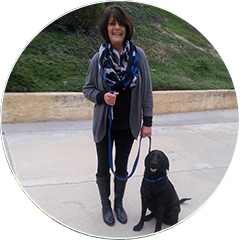
Welcome to Leader of the Pack Home Dog Training! My name is Wendy Blanch, and I am proud to serve as a dedicated dog trainer in Temecula, CA. With a lifelong passion for animals and a steadfast commitment to helping dogs and their owners build stronger, more harmonious relationships. I have made it my mission to provide effective and compassionate dog training services throughout the Inland Empire. My approach is rooted in understanding the unique dynamics between each dog and owner, ensuring personalized training that meets your specific needs. So whether you’re dealing with basic obedience training or addressing more complex behavioral issues, my goal is to empower you with the tools and knowledge to foster a happy, well-adjusted canine companion. Join me on this rewarding journey to transform your relationship with your dog.
Simply put, when your dog sees you as their leader, they want to follow your guidance.
Leadership means everything to a dog. A leader provides guidance, security, rules, and structure. Because dogs communicate differently than humans, many people unintentionally rely on human communication rather than understanding canine behavior. To build a strong relationship with your dog, it’s important to learn how to provide leadership in a way dogs naturally understand.
When dogs receive clear leadership from their owners, they better understand what is expected of them, making training easier and strengthening the relationship between dog and owner.
Leadership has nothing to do with dominance, intimidation, or harsh treatment. True leadership is about being a trusted mentor and teacher. By showing your dog how to succeed, you build a relationship based on love, trust, and respect.
The education I received before becoming a professional dog trainer was invaluable. Although I had been training dogs since I was 12 years old with my dog, Bebe, I discovered there was so much more to learn about canine behavior.
When I graduated from my professional training program, I remember thinking, “My goodness, I knew so little about dog behavior before this!” My education taught me how to truly understand canine communication and, most importantly, how to provide the kind of leadership that dogs naturally understand and respond to.
Leadership is the foundation of what I teach my clients, and they find this approach easy to understand and apply. It is especially effective for helping dogs that are fearful, anxious, or aggressive, as well as for raising puppies into well-behaved adult dogs and preventing behavioral issues before they develop.
I am truly humbled and inspired to have achieved this prestigious award TWO YEARS IN A ROW, a testament to my unwavering passion and dedication to being the Best Dog Trainer in Temecula for 2024 and 2025!
Recall – “Come”. This command can save your dog’s life!
The five basic dog training commands are Sit, Stay, Come, Heel and Down. Of these “Come” or recall is the most important! Why — if you see your dog running into a dangerous situation, you should be able to save your dog by calling him back.
How do you get your dog to always happily and excitedly come to you when called? Make it fun!
Start with a 30′ leash (A MUST)
You need to learn happy voice
Reward – Have treats to start
LOTS OF PRAISE!
First, Set yourself up for success! Make sure you can get your dog to come to you by always using a leash. If you call your dog and you don’t have a leash to follow through, you’re going to fail. You do not want to fail at this command, or any for that matter.
Use a very excited, happy voice to encourage your dog to come. This is the most important part of recall. Your voice tones means the most to your dog. Because I struggle sometimes with my students on how important voice tones are, I came up with a scenario. “Pretend you see a flying saucer and you want your friend to see it before it disappears – that’s the voice tone to use” – HURRY!!!
Reward. When you first start with the recall command, make sure you have treats, a very high reward treat. I love Life’s Abundance “Tasty Rewards”. Dog love them and they’re healthy! When your dog comes to you, praise first and give him a treat. Eventually you should just use praise as they learn to believe that they want your leadership. The second they start to move towards you PRAISE, when they come all the way to you – Throw a Party! Never scold your dog because you didn’t say “come” and they did it anyway, or they don’t come straight towards you. Always PRAISE when they come to you!!
For more information, please call Wendy Blanch, Master Dog Trainer and Dog Behaviorist at 951-339-1040.
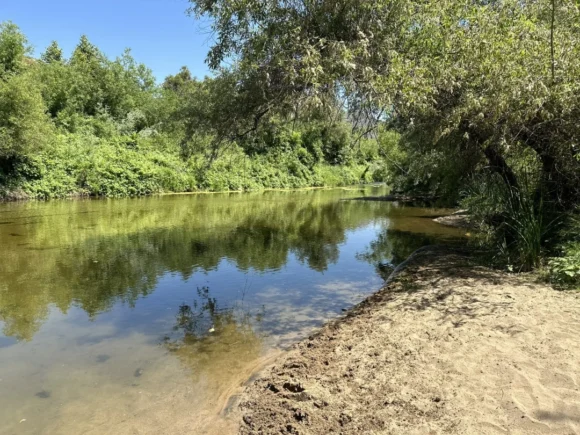
Check out this 5.1-mile out-and-back trail near Fallbrook, California. Generally considered a moderately challenging route, it takes an average of 1 h 59 min to complete. This is a very popular area for hiking, horseback riding, and running, so you’ll likely encounter other people while exploring. The trail is open year-round and is beautiful to visit anytime. Dogs are welcome, but must be on a leash. This beautiful trail meanders along the Santa Margarita River. It is unique in that it follows a river in Southern California! The trail can get crowded frequently, so it’s best to arrive early and/or on weekdays to enjoy a bit more solitude. Along the way, pass under overhanging oak trees. Although swimming is not authorized in the river, there are multiple side trails that include river crossings to get your feet wet. There is a large parking lot at the trailhead. The trail starts across the street. You’ll likely see horseback riders along this trail. Areas of the trail that are not horse-friendly (too rocky) are marked and alternative paths are available if your horse can cross shallow water. In the warmer summer months be aware that rattlesnakes frequent the area and are seen along the trail, hikers should know what to look/listen for to hike safely.
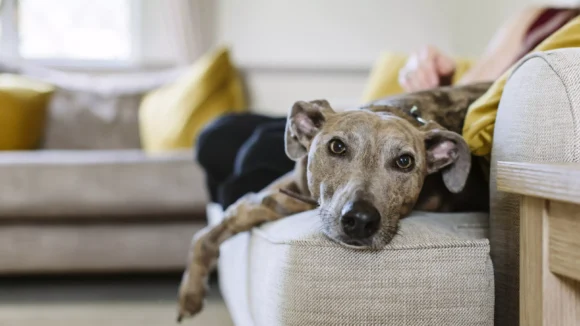
Bloat is a medical emergency that causes a dog’s stomach to dangerously fill with air and sometimes twist.
Bloat is an extremely painful and dangerous condition for dogs. Any dog can become bloated, so it’s important to recognize the symptoms and understand how to prevent it.
Important: Bloat in dogs is life-threatening and can become fatal within hours with no treatment. If you think your dog has bloat, contact your vet immediately.
What is bloat in dogs?
Bloat, otherwise known as gastric dilation (GD) or gastric dilation volvulus (GDV), is one of the most life-threatening conditions that vets treat. Thankfully, bloat in dogs is rare.
If your dog becomes bloated, their stomach will fill with gas and can twist in a way that cuts off the blood supply to their gut. It can also cause their spleen to twist and lose circulation, which blocks vital veins that transport blood to your dog’s heart.
Bloat is very painful and it can kill in a matter of hours without veterinary treatment. Take your dog to your vet immediately if you think they are suffering from bloat.
What are the signs of bloat in dogs?
Signs of bloat can appear quickly, and will usually include one or more of the following:
A swollen, hard belly
Retching but not able to vomit
Drooling
Pain in the stomach when touched
Panting and restlessness
What should I do if I think my dog has bloat?
If you’re worried that your dog has bloat, take them to your vet immediately. A few minutes can make a difference to your dog’s chance of survival.
How will my vet treat bloat?
Your vet will assess your dog’s condition and decide if any further tests such a blood tests, X-rays or scans are required.
If bloat is confirmed, treatment will begin immediately. This can consist of:
passing a stomach tube to release the build up of gas and air in the stomach
giving intravenous fluids (fluids through a drip) to help your dog’s circulation and counteract the shock
giving painkillers and other medications surgery – if your dog is stable after their initial treatment, surgery is needed in some cases, particularly if the stomach has twisted. As there is a high risk that dogs with bloat could suffer again, your vet may also fix your dog’s stomach to their body wall so that it can’t twist again (this operation is known as a gastropexy).
Bloat is a very serious and dangerous condition and sadly not all dogs survive. Your vet may advise putting your dog to sleep if they consider them to be too unwell or if they are not responding to treatment.
What causes bloat in dogs?
The causes of bloat are not really understood, but there are things that are thought to contribute towards bloat, such as:
eating meals too quickly
eating meals that are too large
exercising soon after a meal
being overweight or very underweight
certain breeds
a family history of bloat
age – older dogs are more at risk
stress
Which dog breeds are more prone to developing bloat?
Any dog can suffer with bloat but larger breeds with deep chests are particularly susceptible. They include:
Great Danes
St Bernards
Weimaraners
German shepherds
Labradors
How do I prevent bloat in my dog?
There are some steps that you can take to help prevent bloat from developing.
Spread your dog’s meals across the day by feeding little and often, rather than one big meal each day Avoid strenuous exercise straight after mealtime. Try to leave at least one hour between meals and exercise.
Give your dog their meals in a slow feeder, to stop them from eating their food too quickly
Keep your dog at a healthy weight